Why Municipalities Matter
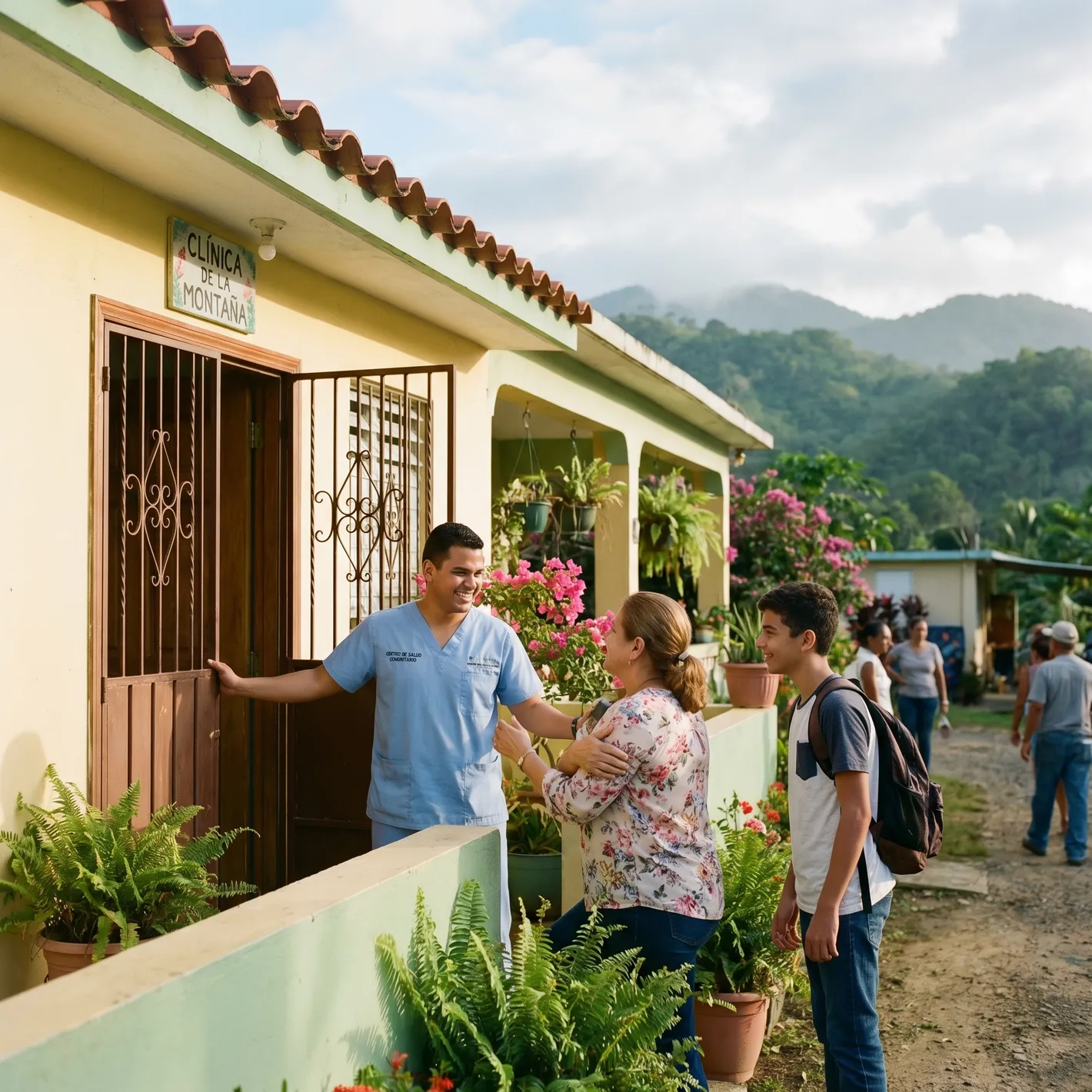
Puerto Rico’s 78 municipalities are how community life is organized. They are more than lines on a map. Each has its own mayor, public services, character, and mix of healthcare needs, demographics, and existing resources. Some are dense urban centers with established hospital systems. Others are rural, with the nearest specialist an hour’s drive away and primary care already stretched. An island-wide plan that ignores that spread will miss both kinds of place.
Sanavia Health Partners treats the municipality as the unit of expansion. Instead of a single island-wide rollout, Sanavia works with municipal governments and local provider networks, learns what that community needs, and designs care delivery for local conditions. It is slower than a uniform rollout. The care models that come out of it fit the place, and the communities they serve actually back them.
Every municipal partnership starts with a community health assessment that pairs data with conversations. Sanavia reviews claims data, public health statistics, and population demographics: which chronic conditions are most common, where care gaps are largest, and which groups are least served. Focus groups and interviews with residents, local providers, and municipal health officials then check that picture against what people on the ground report.
That profile drives the partnership. A municipality with high rates of unmanaged diabetes and little endocrinology access gets a different program than one with strong specialists and fragmented primary care. Custom work costs more than a template. It also means the investment tracks the community’s actual gaps.
Strengthening Primary Care Access
In many municipalities where Sanavia works, the urgent problem is primary care capacity. Residents who cannot get a timely appointment wait until a problem is acute, then show up in the emergency department for something an office visit could have handled. Payers pay more, emergency staff absorb work that is not theirs, and patients get worse care.
Sanavia attacks the gap on three fronts. It recruits and places primary care providers in underserved municipalities. It gives existing providers care management staff and technology so they can manage larger panels. It builds community health worker programs that carry the clinical team into homes and community settings. Adding headcount alone does not do it. The system has to deliver preventive and chronic care before people get sick enough to need the hospital, and it has to do that at scale.
Partnerships with Municipal Governments
Municipal governments already care about resident health, and they control public health services and community facilities. Sanavia works with municipal health offices, uses public facilities for care, coordinates with municipal social services on the social determinants of health, and asks elected officials to back spending on prevention.
Those partnerships last when they match a mayor’s own priorities. A government trying to cut diabetes-related amputations is a natural partner for diabetic foot care and glucose management. An administration focused on school-age health will take pediatric preventive care in community settings. Shared goals are what keep a healthcare project standing after the first grant cycle.
Measuring Progress, Sharing Results
Sanavia publishes regular community health reports for each municipal partnership: care gap closure, chronic disease outcomes, hospitalization rates, and patient experience scores. The reports include the places where progress has been slower than expected. That honesty gives community partners something to hold the work to, and it makes improvement a shared job. Because the work is municipality by municipality, a result in one place can be documented, pulled apart, and tried somewhere else. Over time that becomes an evidence base for what actually works in Puerto Rico.